Bas Tera Saath Ho Episode 1 & 2 Review – Why Fans Call Anas the Male Hala

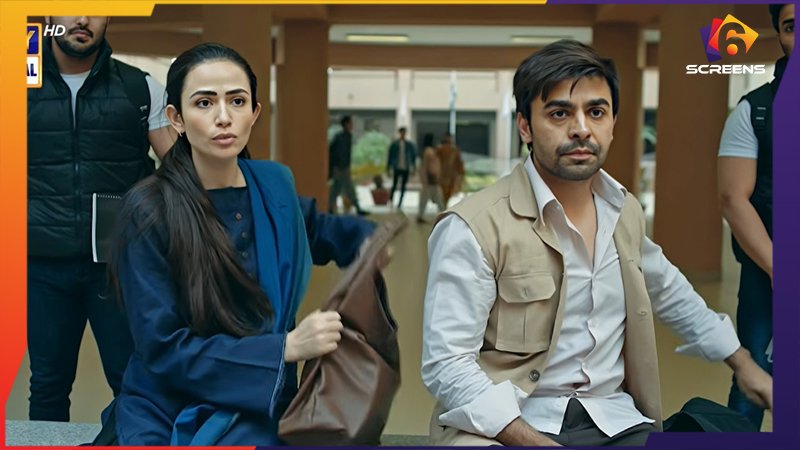
Bas Tera Saath Ho started off on a high note, drawing attention with its first two episodes. The word is already out there, and comparisons are already being made on both sides of the web. People are calling Anas “the male Hala” after Mere Humsafar's Hala, who had a quiet pain that left an impact on viewers. But what exactly is it about Anas that makes fans see Hala in him? Let's take a look at why these early episodes are doing so well.
Episode 1– Bas Tera Saath Ho
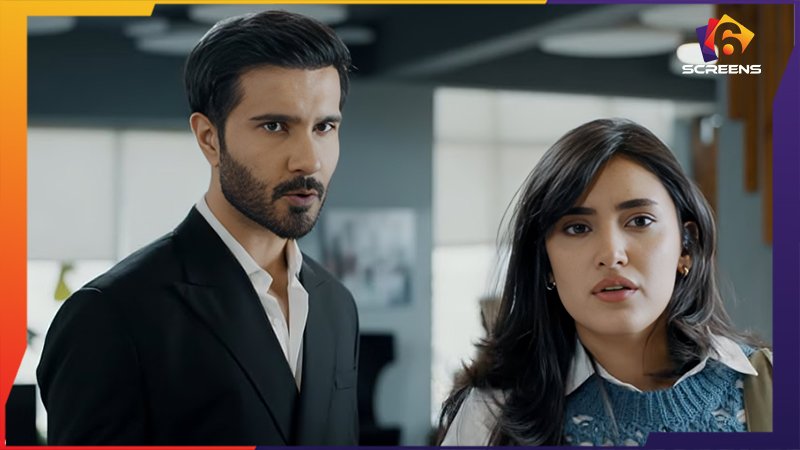
Episode 1 is quite a downbeat beginning. We meet Anas, a gentle, hardworking guy, whose life at home is anything but easy. He lives with extended family, and in fact they treat him very badly. From Shaziya(Taijaan) to Mursaleen(Taya), Shehreen to Shayan(cousins), each brings a bit of coldness or outright cruelty to his shoulders.
The first thing that comes to mind is that Anas receives no real support, even from those who should support him. But in rare moments, Suleman(Dadajaan) tries to protect him, but even his kindness is not enough to save Anas. It's a setup that immediately grabs your attention. It's truthful in its depiction of an unsympathetic family, and you can feel the pain in the silence Anas suffers.
The fifty Shades of Hala
It's not surprising that the audience saw shades of Hala in Anas. He suffers in silence, takes the blame and barely resists the unfair treatment like she did. There is no melodrama, no over-the-top confrontations, either. Rather, it's based on authentic, raw feelings, which are emotions that you encounter in real life.
That subtlety struck a chord. Many people dubbed Anas a “male Cinderella” and that's a good description, he's the underdog and his simplicity and innocence makes you root for him from the start.

There are other little touches that contribute to the ambiance, as well. Farhan Saeed's OST is a trip down memory lane for those who used to enjoy Ramzan specials like Suno Chanda. It adds warmth and familiarity to the entire episode that can't be faked.
Episode 2– Bass Tera Saath Ho
Things get tougher in Episode 2. Anas' situation does not just remain the same, it rapidly deteriorates. The big blow comes when he fails to get a scholarship, due to his secret work as a driver for Mursaleen. He is attempting to support himself, but it has a negative impact on his academic career.
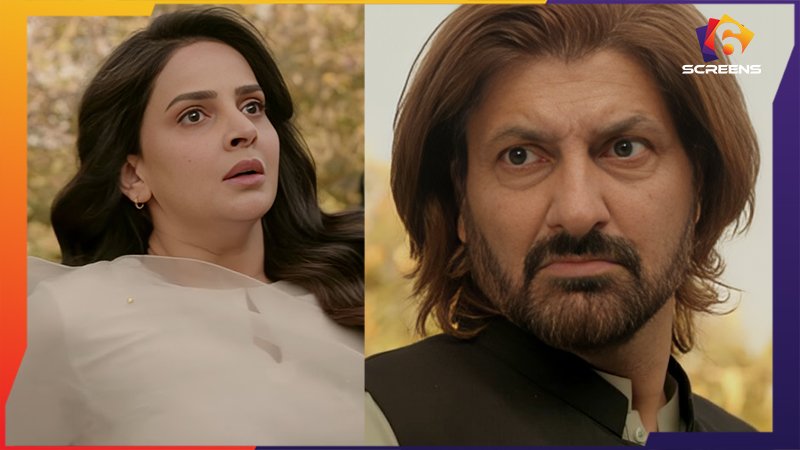
When Ambreen(phuppo) finds out what's happening, she challenges Mursaleen, and reveals that Shayan failed. Shayan is challenged and reacts violently towards Anas. It gets ugly, fast. When Shayan gets slapped by Dada, it's too late. Shayan storms out, the family begins to blame one another and—no surprise here—Anas is left to take the blame. Moreover, when shayan hit someone while driving, Anas was asked to take the blame.
These scenes are sad and uncomfortable because there is a hard truth: that sometimes people with good intentions cause harm. Here, Suleman and Ambreen are the perfect example. Their intentions are good to see Anas succeed, but their actions are either misguided or beyond their control, and make things worse for Anas.
In this episode, there is a flashback that goes even deeper, providing clues as to what went wrong with Anas's childhood and why he is so accustomed to carrying his pain alone. It's sad and it makes him more interesting.
Next there was a flashback scene of Ansa where it was explained why her father distributed the property equally. Her father was concerned that after his death she'll be left alone.
Anas ft. Male Hala from Mere Humsafar
So, why is everyone calling Anas the male Hala? It's not only about suffering, it's a big part of it. Anas and Hala are both victims of emotional abuse in their own families. They are silent, patient and will never give up even if no one is defending them.
Both characters rely on others for support which is not always forthcoming, and both are good but are often exploited. But it's more than that: it's the way these dramas expose unhealthy family dynamics, in which the innocent are blamed, and silence is interpreted as the only means of survival.

These parallels, of course, got social media all the rage. Others, however, are all-in, hailing the story's emotional impact. Others state that the show is somewhat similar, similar to Mere Humsafar.
But, most feel the execution here is fresh enough to keep them watching. Anas is a favourite among fans, who admire his resilience and patience, despite his detractors. That engagement, whether it's the "outrage" or the "praise", is the right stuff to be hitting the right notes.
What is the secret behind the success of Bas Tera Saath Ho?
There are a couple of reasons. First of all, there's a sense of grounded story telling. This is not a mythical version of suffering, it is something that many people know. The actors underplay their roles and the drama comes across as more realistic and less acted out.
The pacing is neither too slow nor too fast; it's just on point, but not at the expense of emotional beats. And perhaps most important, the show doesn't ignore the pain of both Anas and Ansa. It pulls you in, makes you feel with Anas, makes you want to see him get out of his misery.
What to Expect Next?
With these first two episodes, the stage is set for bigger confrontations and, hopefully, some kind of justice for Anas. Viewers are invested. They want to see him break free, to find strength and maybe even push back against the people holding him down. If the story continues at this pace and emotional level, it's likely to be a big success.